Every digital agency managing recurring WordPress care plans eventually hits the Invisible Value Wall.
When your WebOps engineering team performs flawlessly updating 30+ plugins seamlessly, blocking brute-force attacks at the edge, running automated visual regression tests, and maintaining 99.99% uptime nothing breaks.
And when nothing breaks for six consecutive months, the client’s CFO reviews the recurring $1,000/month invoice and asks a predictable question:
“We haven’t had a single site issue in half a year. What are we actually paying our agency $12,000 a year for?”
To justify the retainer, many agencies rely on a manual, outdated ritual: exporting a generic 12-page PDF report on the first of the month filled with raw server jargon (“Updated 14 plugins, 0 vulnerabilities found, 99.9% uptime”).
Clients rarely open these PDFs. Worse, static monthly reports fail to communicate the continuous, real-time protection happening behind the scenes.
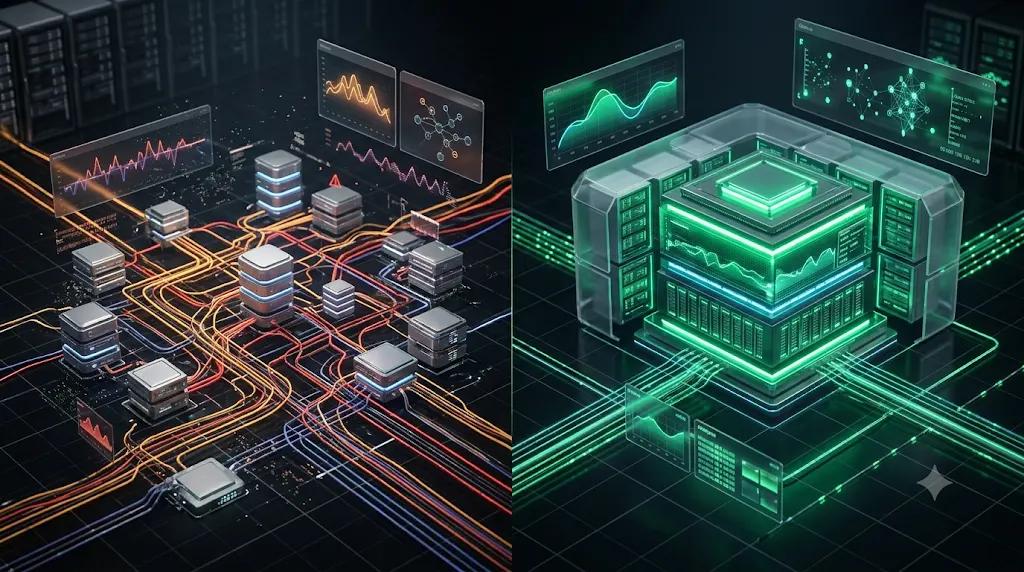
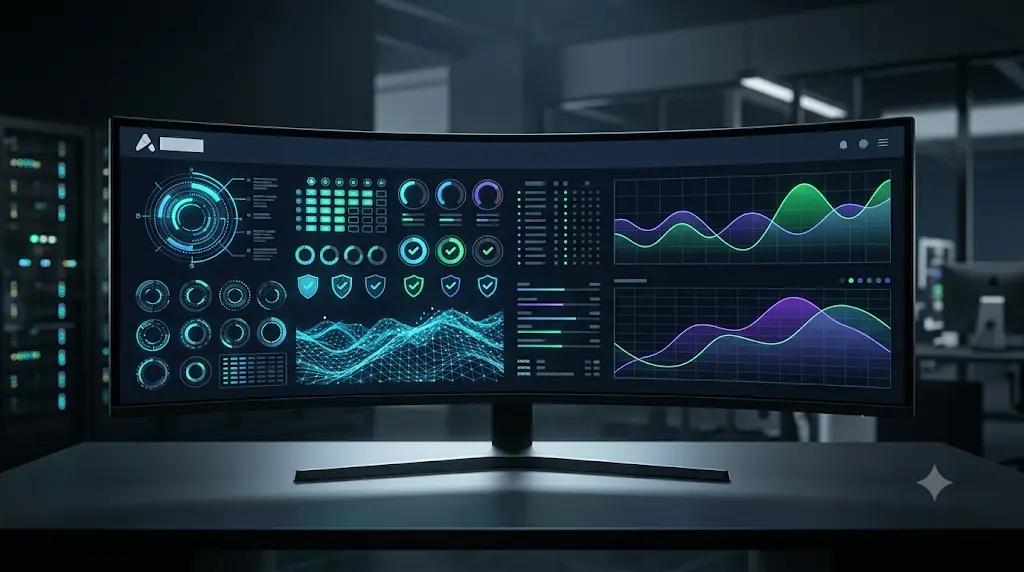
High-growth agencies solve the Invisible Value Wall by replacing static PDFs with branded, White-Label Client Telemetry Portals. By giving stakeholders instant, custom-domain access (portal.youragency.com) to real-time uptime, security audit logs, visual diff proofs, and Core Web Vitals telemetry, agencies transform maintenance from an invisible expense into tangible, high-retention business insurance.
This guide details the exact information architecture, executive KPIs, white-label branding standards, and automated reporting workflows top agencies use to eliminate retainer churn with SiteOps.
011. Why Static PDF Maintenance Reports Fail to Retain Enterprise Clients
Traditional monthly PDF reports suffer from three structural flaws that actively undermine client retention:
+-------------------------------------------------------------------------------+
|                     THE 3 FLAWS OF STATIC PDF MAINTENANCE REPORTS             |
+-------------------------------------------------------------------------------+
|  1. RETROSPECTIVE LAG       | Clients only see issues 30 days AFTER they occur|
|  2. TECHNICAL JARGON OVERLOAD| Lists plugin slugs (e.g. 'wp-rocket v3.16')   |
|  3. ZERO INTERACTIVE PROOF  | Lacks side-by-side visual diff & checkout logs  |
+-------------------------------------------------------------------------------+
1. The “So What?” Translation Gap
A non-technical Marketing Director or VP of Operations does not care that you updated woocommerce-gateway-stripe from 8.1.0 to 8.2.0.
- What they care about: “Was our checkout tested after the update, and did conversion speed improve?”
- Static PDFs list mechanical actions rather than business outcomes.
2. The Outdated Snapshot Problem
A PDF generated on November 1st is stale the moment it lands in the client’s inbox. If an enterprise client wants to verify site health right before a major PR launch or paid media campaign on November 14th, a static PDF provides zero real-time assurance.
Learn how proving ongoing value directly drives contract renewals in Proving the Value of WordPress Maintenance Plans.
022. Information Architecture: The 4 Pillars of an Executive Client Portal
An effective white-label agency portal must never look like a chaotic developer control panel (such as cPanel or raw Grafana). It must translate complex DevOps telemetry into four clear executive pillars:
+-------------------------------------------------------------------------------+
|                    EXECUTIVE CLIENT PORTAL ARCHITECTURE                       |
+-------------------------------------------------------------------------------+
|  PILLAR 1: BUSINESS CONTINUITY    | 99.99% Uptime SLA & Synthetic Checkouts   |
|  PILLAR 2: SECURITY & COMPLIANCE  | Blocked Attacks, Checksum Audits, CVEs    |
|  PILLAR 3: VISUAL QA PROOF        | Pre/Post-Update Visual Regression Sliders |
|  PILLAR 4: SPEED & CORE VITALS    | Checkout TTFB & Mobile LCP Telemetry      |
+-------------------------------------------------------------------------------+
Pillar 1: Business Continuity & Synthetic Checkout Status
Instead of a generic green “Up” dot, display functional availability:
- Real-Time Uptime SLA Counter: Live rolling 30-day availability percentage (e.g.,
99.99% SLA Compliant). - Synthetic Canary Pass Rate: “2,880 automated checkout and lead form tests executed this month 100% Pass Rate.”
- Protected Revenue Metric: For WooCommerce clients, display the average checkout response time so stakeholders see direct protection of their revenue funnel.
Pillar 2: Security & Compliance Posture
Translate server-level cybersecurity into executive peace of mind:
- Core & Plugin Integrity: “100% of 14,200 core and plugin files verified against official cryptographic hashes.”
- Edge Threats Neutralized: Total malicious bots, XML-RPC brute-force attempts, and suspicious IP blocks deflected at the Cloudflare/WAF edge.
- Zero-Day CVE Patching: Timeline of critical vulnerabilities patched before automated exploit scanners could target the domain.
Pillar 3: Visual QA & Safe Update Proof
This is the ultimate differentiator over commodity agencies:
- Show a clean log of updates executed alongside Visual Regression Testing (VRT) Verification Badges.
- When a major WooCommerce or theme update deploys, allow clients to click and view the automated before-and-after screenshot comparison, proving that mobile and desktop layouts remained 100% intact.
Pillar 4: Performance & Core Web Vitals Telemetry
- Display clear trendlines for Time to First Byte (TTFB), Largest Contentful Paint (LCP), and Cumulative Layout Shift (CLS).
- Highlight infrastructure wins, such as database bloat cleanup savings or Redis object cache hit ratios (>90%).
033. White-Label Branding & Custom Domain Standards
To maximize agency brand equity and prevent clients from bypassing you for underlying SaaS tools, your client portal must be 100% white-labeled:
| Branding Element | Commodity Setup (Weak Equity) | Enterprise White-Label Standard (SiteOps) |
|---|---|---|
| Portal URL | Generic third-party vendor subdomain (app.vendor.com) |
Custom Agency CNAME (portal.youragency.com) |
| Visual Identity | Vendor logo, generic blue theme | Agency Logo, Brand Colors, & Custom Favicon |
| Email Notifications | Sent from noreply@vendor-tool.com |
Authenticated Agency Domain (ops@youragency.com via DKIM/SPF) |
| Client Login Flow | Separate password shared across sites | Frictionless Magic Links or Agency SSO |
| Report Exports | Vendor-watermarked PDF attachments | Custom-Branded Executive Briefings |
Configuring Your White-Label CNAME & DNS
Mapping a custom agency domain ensures clients associate every positive uptime metric and prevented outage directly with your agency brand:
; DNS CNAME Record for White-Label Client Portal
portal.youragency.com.   300   IN   CNAME   custom-ingress.siteops.datronixtech.com.
Combined with automated Let’s Encrypt TLS/SSL provisioning, clients access their live telemetry dashboard seamlessly on your agency’s primary domain.
044. Automating Telemetry Ingestion: Translating Raw Logs into Client KPIs
Raw server logs and WP-CLI outputs are incomprehensible to non-technical clients. Your portal’s backend architecture must normalize raw telemetry into structured, human-readable JSON payloads:
{
  "client_domain": "enterprise-store.com",
  "reporting_period": "2026-11-01 to 2026-11-14",
  "sla_availability_pct": 99.996,
  "synthetic_canaries": {
    "total_runs": 1344,
    "passed": 1344,
    "avg_checkout_latency_ms": 412
  },
  "security_audits": {
    "checksum_verifications": 1344,
    "rogue_php_uploads_detected": 0,
    "edge_threats_blocked": 14820,
    "cves_patched": 2
  },
  "maintenance_events": [
    {
      "timestamp": "2026-11-12T03:14:00Z",
      "action": "Updated WooCommerce 9.3.1 -> 9.4.0 & Stripe Gateway",
      "visual_diff_variance_pct": 0.01,
      "rollback_triggered": false,
      "status": "Verified Safe"
    }
  ]
}
The Power of Showing “Prevented Disasters”
When an automated rollback occurs at 3:00 AM, do not hide it. Display it proudly in the portal’s Automated Protection Log:
“3:14 AM UTC Detected 2.4% mobile checkout layout shift following third-party plugin update. Automatically restored verified baseline in 24 seconds. Zero customer downtime experienced.“
Seeing a prevented outage in black and white is the single strongest retention anchor an agency can possess. Read our communication templates in Why Relying on Client Bug Reports Destroys Agency Retention.
055. How Client Portals Unlock Higher Retainer Pricing ($1,500–$5,000/mo)
Transparent telemetry portals fundamentally alter how prospects evaluate your agency’s care plan proposals during the sales process:
+-------------------------------------------------------------------------------+
|                    HOW PORTALS ELEVATE CARE PLAN POSITIONING                  |
+-------------------------------------------------------------------------------+
|  COMMODITY AGENCY ($250/mo)     | "We update your plugins and send a PDF."    |
|                                 | Prospect perceives: Low-skill commodity task|
|                                                                               |
|  WEBOPS AGENCY ($2,500+/mo)     | Live demo of portal.youragency.com showing  |
|  ([SiteOps](https://siteops.datronixtech.com))| 24/7 synthetic checkout bots, VRT diffs,   |
|                                 | and 99.99% SLA compliance telemetry.        |
|                                 | Prospect perceives: Enterprise Infrastructure|
+-------------------------------------------------------------------------------+
Using the Portal as a Sales Closing Tool:
- The Live Sales Walkthrough: During discovery calls with enterprise prospects, screen-share an anonymized live client portal on
portal.youragency.com. Prospects immediately see the gap between your infrastructure and their current freelancer. - Quarterly Business Reviews (QBRs): Account managers stop spending 3 hours compiling slide decks before client QBRs. They simply walk stakeholders through the live portal telemetry trends.
Explore complete care plan pricing models in Building a Profitable WordPress Maintenance Retainer Model in 2026 and How to Structure SLA Contracts for Enterprise WordPress Clients.
066. How SiteOps Delivers Turnkey White-Label Client Portals
Building a custom React/Next.js client portal from scratch and integrating uptime APIs, Playwright screenshot storage, security checksum logs, and Core Web Vitals trackers requires months of engineering investment and ongoing maintenance.
SiteOps provides agencies with an out-of-the-box, centralized WebOps command center designed for multi-tenant white-label delivery:
- Zero-Config Visual Regression Logs: Automatically stores before-and-after viewport captures across mobile, tablet, and desktop.
- 24/7 Synthetic Canary Telemetry: Displays real-time pass/fail status for critical WooCommerce checkouts and lead forms.
- Automated Security & Checksum Trails: Surfaces 10-minute panic scan results, CVE patch histories, and zero-trust user audits.
- Custom Domain & Brand Isolation: Delivers clean executive views directly under your agency’s brand.
As demonstrated in our Datronix Agency Case Study, pairing centralized WebOps automation with transparent client reporting enabled two engineers to manage 150+ active sites on just two hours per week while maintaining near-zero client churn.
077. Actionable Client Portal Implementation Checklist
Follow this 7-step checklist to upgrade your agency’s client reporting experience:
- [ ] Step 1: Retire Static PDF Attachments: Phase out raw, jargon-heavy monthly PDF dumps in favor of live telemetry dashboards.
- [ ] Step 2: Provision a Branded CNAME: Configure
portal.youragency.comwith custom agency branding and authenticated DKIM/SPF notification emails. - [ ] Step 3: Surface Business-Outcome Metrics: Replace raw plugin version lists with uptime SLA percentages, synthetic checkout pass rates, and TTFB speed trends.
- [ ] Step 4: Include Visual QA Diff Proofs: Display before-and-after screenshot verification badges for every major plugin and theme release.
- [ ] Step 5: Highlight Automated Rollback Saves: Log every prevented outage and sub-30-second automated recovery transparently so clients see continuous protection.
- [ ] Step 6: Demo the Portal in Sales Pitches: Use your live portal as a visual differentiator during enterprise discovery calls to command $1,500–$5,000/mo retainers.
- [ ] Step 7: Centralize Telemetry via SiteOps: Connect your client fleet to SiteOps to automate data collection, visual diffing, and executive reporting in one unified platform.
08Summary & Next Steps: Transform Client Retention with SiteOps
If your agency’s maintenance work is invisible, your retainers will always be the first line item clients try to cut during budget reviews. By deploying white-label client portals powered by real-time uptime, security, visual QA, and performance telemetry, you prove undeniable ROI every single day locking in long-term enterprise partnerships and expanding care plan margins past 85%.
Related Resources for Agency Growth:
- How to Calculate the True ROI of Transitioning to Proactive WebOps
- Why Relying on Client Bug Reports Destroys Agency Retention
- How to Structure SLA Contracts for Enterprise WordPress Clients
- How Datronix Maintains 150 Client Sites on 2 Hours a Week
Elevate Your Client Experience with SiteOps
Stop struggling to prove the value of your monthly retainers. Deliver transparent visual regression proofs, 24/7 synthetic checkout telemetry, and automated security reporting across your agency fleet.
09👉 Start your free trial of SiteOps today and connect your first three client sites in under two minutes.
10Frequently Asked Questions (FAQ)
Why should WordPress agencies replace static PDF reports with live client portals?
Static monthly PDFs suffer from a 30-day retrospective lag, overwhelm non-technical clients with raw plugin names, and fail to communicate continuous daily protection. Live client portals provide on-demand transparency into uptime SLAs, security audits, and visual QA verification, eliminating retainer cancellation friction.
What metrics should be included in a white-label WordPress client portal?
Focus on business-outcome telemetry across four pillars: (1) Business Continuity (rolling 99.99% SLA tracking and synthetic checkout canary pass rates), (2) Security Posture (cryptographic checksum verifications and edge threats blocked), (3) Visual QA Proof (before-and-after update diff sliders), and (4) Performance Trends (TTFB and Core Web Vitals).
How do you white-label an agency client portal effectively?
Configure a custom CNAME record (portal.youragency.com) with SSL encryption, apply custom agency logos and color themes, and authenticate outgoing notification emails via your agency’s domain SPF/DKIM records so clients experience a seamless, unified brand environment.
Should agencies show automated rollbacks in the client portal?
Yes. Surfacing prevented outages in an automated protection log demonstrating that your WebOps engine caught a broken update at 3:00 AM and executed a 30-second rollback with zero customer impact is the single strongest proof of retainer ROI.
How does a white-label telemetry portal help agencies increase retainer pricing?
Walkthroughs of a live telemetry portal during sales discovery transform abstract “maintenance” into tangible enterprise risk management, enabling agencies to transition from $250/mo plans to $1,500–$5,000+/mo infrastructure retainers.