
The “Editorial Commerce” Shift: Merging High-Fidelity Content with Lightning-Fast Headless Shopify
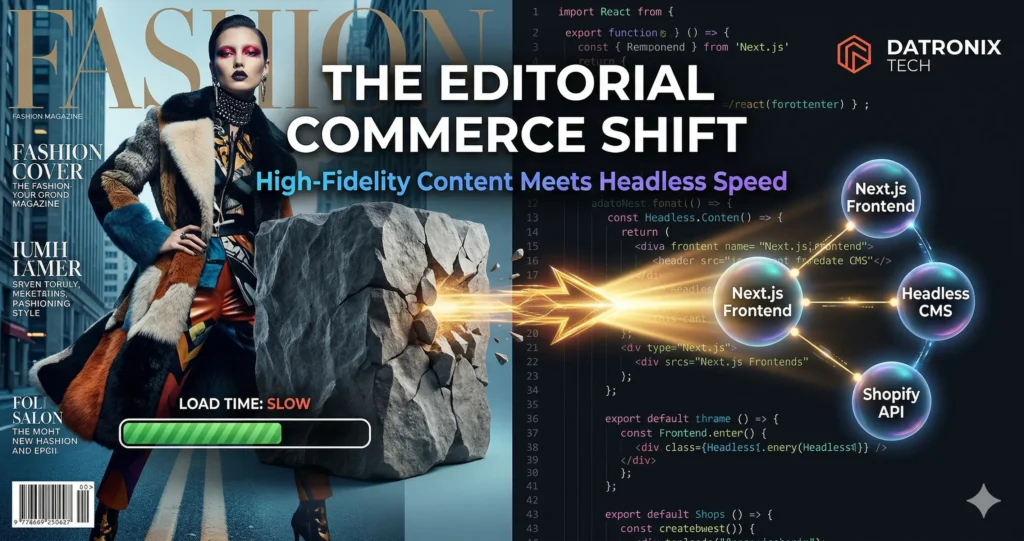
Lifestyle brands are engaged in a constant digital tug-of-war. On one side, you want to showcase breathtaking, high-fidelity lookbooks, rich video headers, and immersive stories to elevate your brand. On the other side, the moment you upload these massive assets to a standard monolithic platform, your site grinds to a halt. If buyers are waiting […]
Selling Luxury Online: Why Standard Shopify Themes Kill Jewelry Conversion Rates

To command premium pricing, you must invest in luxury Shopify customization. By abandoning standard templates and architecting an “editorial commerce” experience, you bridge the gap between digital convenience and high-end retail. Here is how custom development transforms your store into a digital boutique. You are selling a breathtaking, $5,000 diamond necklace. But when a highly […]
Zero-Click Search is Here: Optimizing Your Service Business for AI Overviews (SGE)

If you rely on organic search traffic to generate leads, this shift feels like an existential threat. But it doesn’t have to be. To survive and thrive in 2026, you must completely pivot your strategy and optimize for AI Overviews. Forward-thinking founders are waking up to a terrifying new reality. You spent years writing content, […]
Monolith vs. Microservices: When Scaling Your Custom Portal Actually Requires a Rewrite

You are drowning in technical debt. When your software reaches this level of fragility, you can no longer patch your way out of the problem. To save your core infrastructure, you must execute a strategic migration from a monolith to microservices. Five years ago, your custom internal portal was a massive success. It centralized your […]
Multi-Location Mayhem: Structuring Sub-Directories to Dominate Regional Search

This is the “Multi-Location Mayhem,” and fixing it requires a complete overhaul of your Franchise SEO Architecture. If you run a multi-location service business whether it is a chain of HVAC providers, dental clinics, or law firms you are likely facing a frustrating reality. Despite having a massive corporate brand, deeper pockets, and better resources, […]
The “Lazy Load” Fallacy: Why Your Product Pages are Still Failing Google’s Core Web Vitals

Instead, you open Google Search Console and see a sea of red text: “LCP Issue: Longer than 4s (Mobile).” Despite all your efforts, your product pages are still failing Core Web Vitals LCP (Largest Contentful Paint). Because LCP is a primary ranking factor for Google, this failure is actively tanking your mobile SEO rankings and […]
Stop Buying Junk Leads: Building a First-Party Data Engine on Your WordPress Site
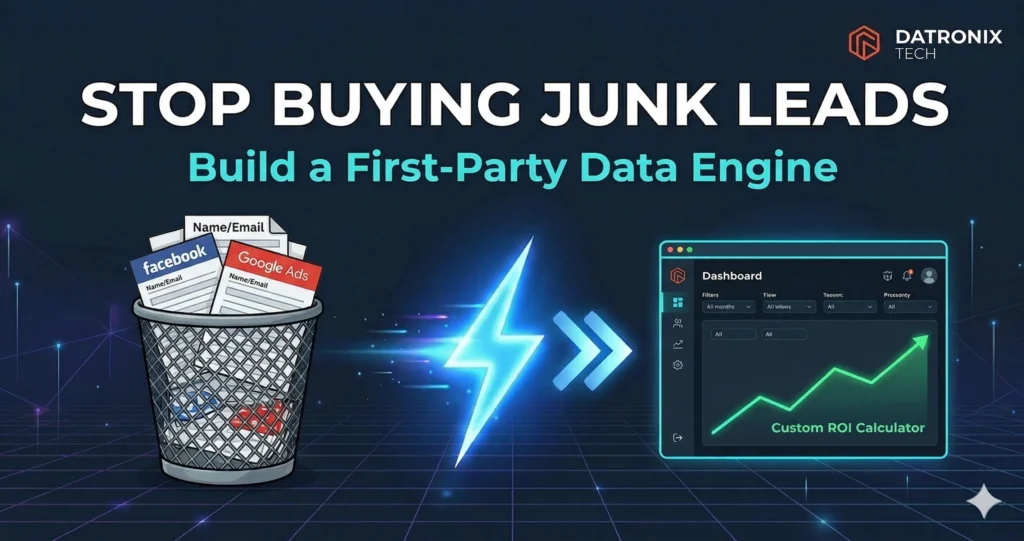
To survive in 2026, you must stop buying junk leads and start building a First-Party Data Engine. By transforming your website from a static brochure into an interactive data-capture machine, you shift the conversation from paying for ads to investing in an asset that prints leads. If your business relies on digital lead generation, you […]
The Compliance Time Bomb: Hardcoding SOC2 & GDPR Data Security into Your SaaS MVP
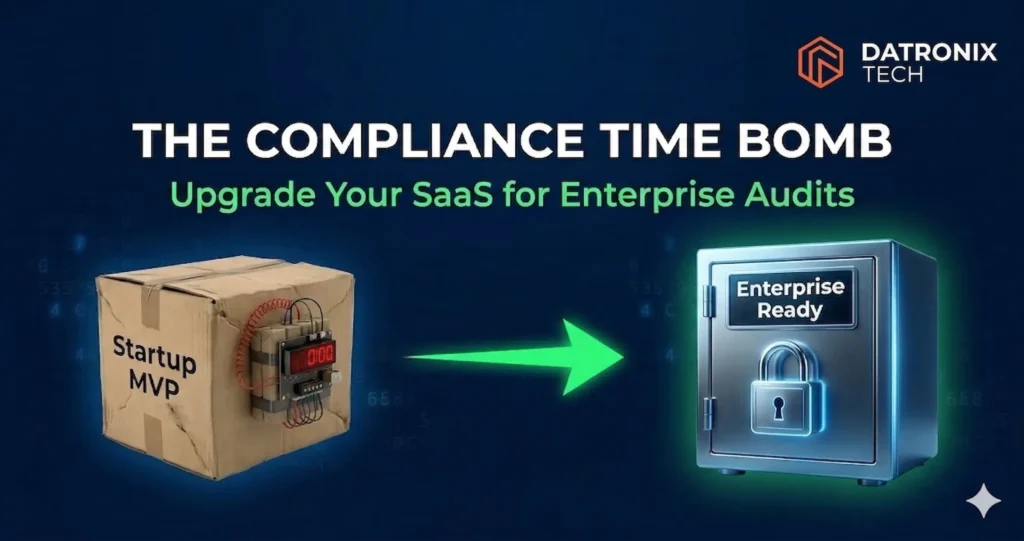
This is the Compliance Time Bomb. Building an app that “works” is vastly different from building an app that is “Enterprise-Ready.” To rescue your deal and secure your revenue, you must prioritize SaaS MVP SOC2 compliance and GDPR-level data security. You built a brilliant Minimum Viable Product (MVP). Users love the interface, your growth metrics […]
Cannibalizing Your Own Revenue: How Over-Blogging is Destroying Your B2B Service Pages
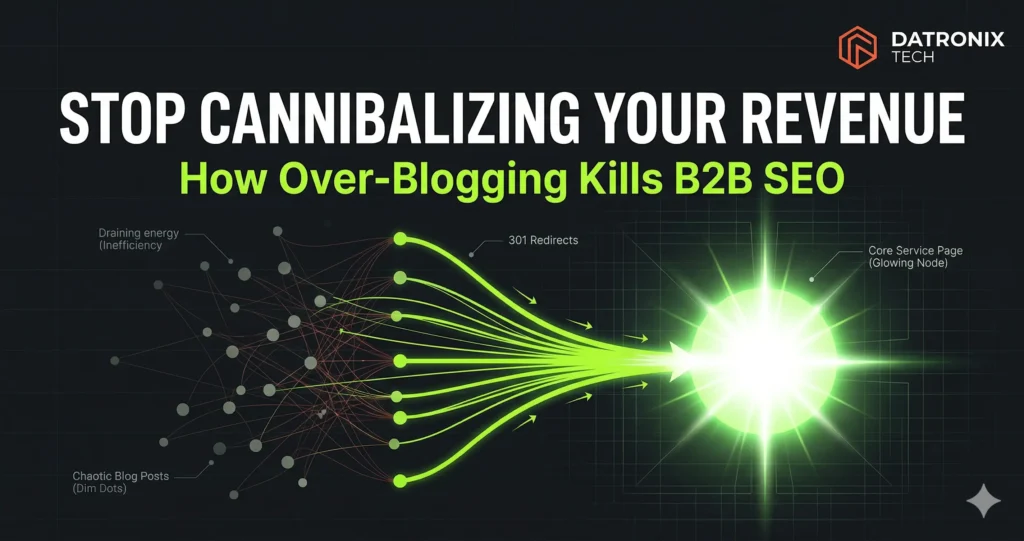
You aren’t losing to your competitors. You are losing to yourself. This phenomenon is known as keyword cannibalization, and it is quietly destroying your most profitable search engine rankings. For years, the golden rule of B2B marketing has been “content is king.” You hired writers, set a strict schedule, and published four blog posts a […]
The “Invisible” API Timeout: Why Your E-Commerce Checkout is Randomly Dropping 15% of Orders
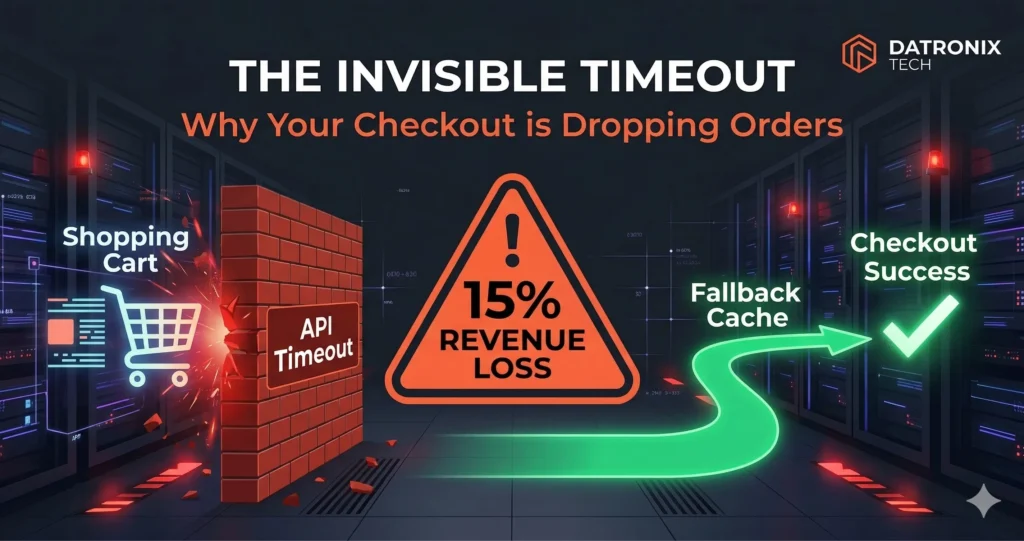
For mid-market e-commerce directors, Checkout API Timeouts are the ultimate silent revenue killer. Your customers are clicking “Complete Purchase,” but behind the scenes, a third-party shipping or tax software is failing to respond in time. The checkout spins, crashes, and the customer walks away. You are looking at your analytics dashboard, and the math simply […]